Bangkok Design Hotels with Cultural Depth and Urban Contrast
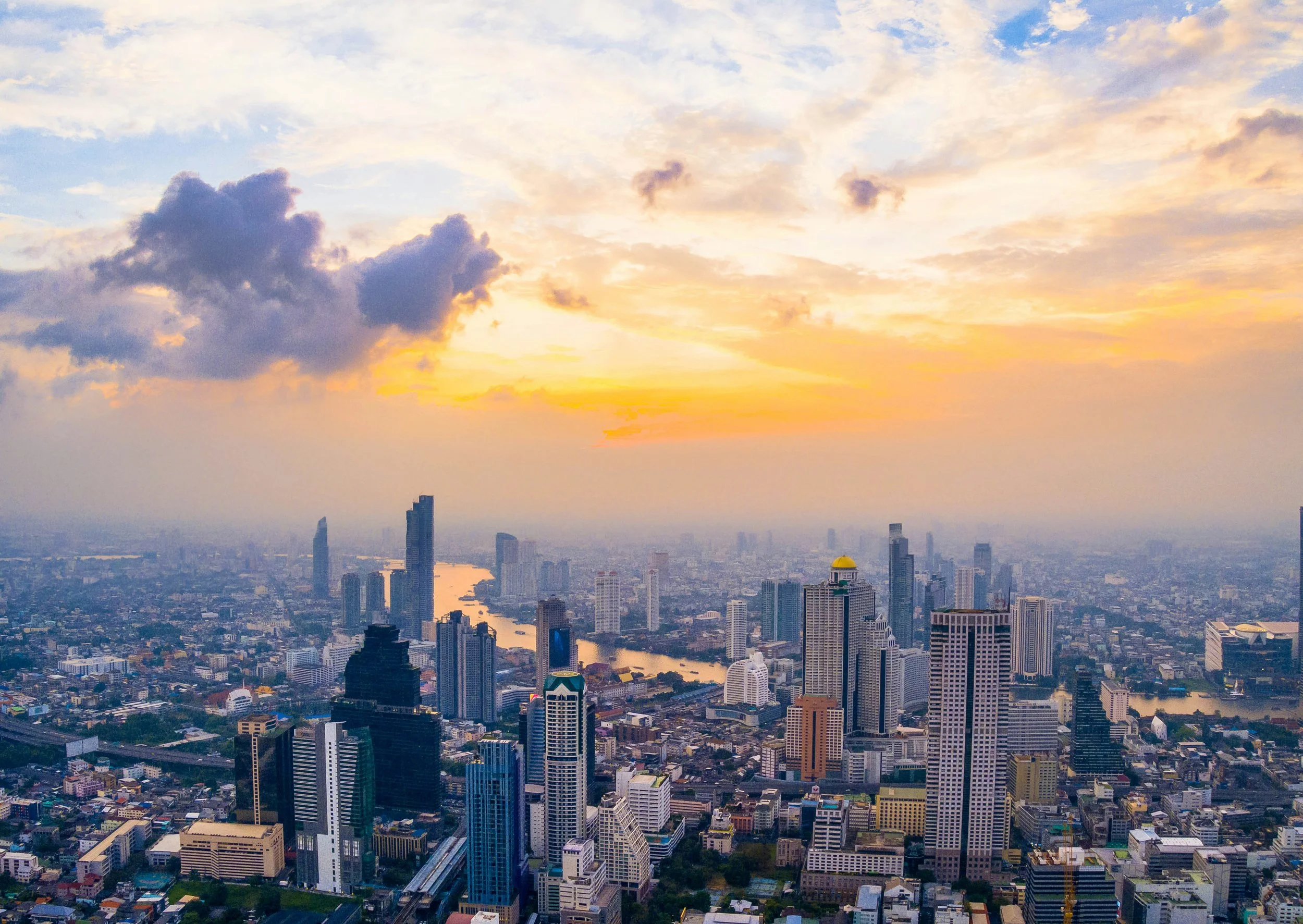
Bangkok Design Hotels with a Strong Sense of Place
Bangkok’s best design hotels are defined by more than their interiors. They reflect their neighbourhoods, history, and setting. This guide highlights design forward stays across the city, from riverside hotels along the Chao Phraya to smaller boutique properties in Chinatown, Ari, and the Old Town.
To show the full range of Bangkok’s design hotel scene, the list is organised into two sections. The first features high end design flagships that set the benchmark for architecture and experience. The second focuses on neighbourhood and adaptive reuse design hotels that prioritise character, location, and thoughtful design.
Together, these hotels offer a more grounded way to experience Bangkok, whether you are looking for a standout stay or a well designed base in a lively part of the city.
High-End Design Flagships
The Siam
Average nightly rate: USD 650 to 900
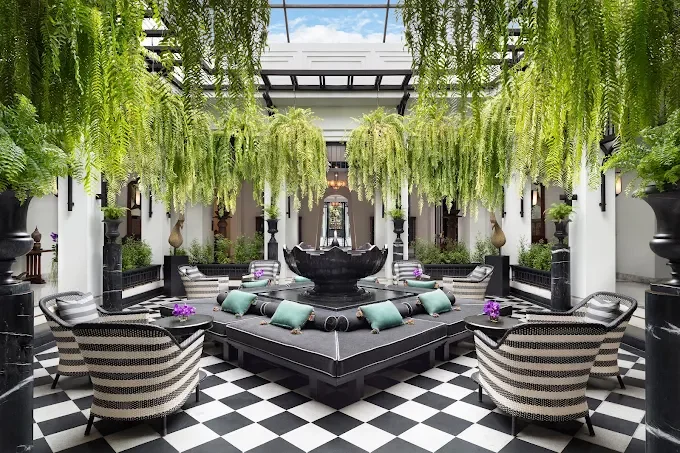
Staying at The Siam feels less like booking a hotel and more like entering a private estate. Designed by Bill Bensley, the property unfolds through courtyards, canals, and galleries filled with antiques, artwork, and carefully composed negative space. Black and white Art Deco influences give the hotel a sense of gravitas, while the scale is low, quiet, and deliberately uncrowded, creating a rare feeling of calm in Bangkok.
The hotel sits along a quiet stretch of the Chao Phraya in Dusit, an area defined by historic residences and royal landmarks rather than shopping malls or nightlife. This distance from the city’s commercial core is part of the appeal. The Siam is for travellers who want Bangkok as atmosphere, not background noise.
137 Pillars Suites & Residences Bangkok
Average nightly rate: USD 280 to 420
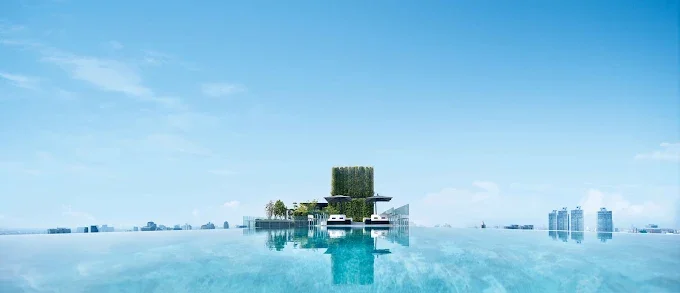
137 Pillars brings a residential sensibility to high rise living. The design is contemporary but warm, with an emphasis on space, light, and proportion rather than decoration. Floor to ceiling windows, generous bathrooms, and carefully chosen materials make rooms feel considered and comfortable rather than overtly luxurious. The rooftop pool and sky level common spaces add drama without overwhelming the experience.
Located in Sukhumvit Soi 39, the hotel benefits from a quieter, more residential pocket of the city. Cafés, independent restaurants, and leafy side streets give the area a lived in feel, while the main Sukhumvit corridor is only minutes away. It is a strong choice for travellers who want design and comfort without feeling disconnected from everyday Bangkok.
COMO Metropolitan Bangkok
Average nightly rate: USD 220 to 320
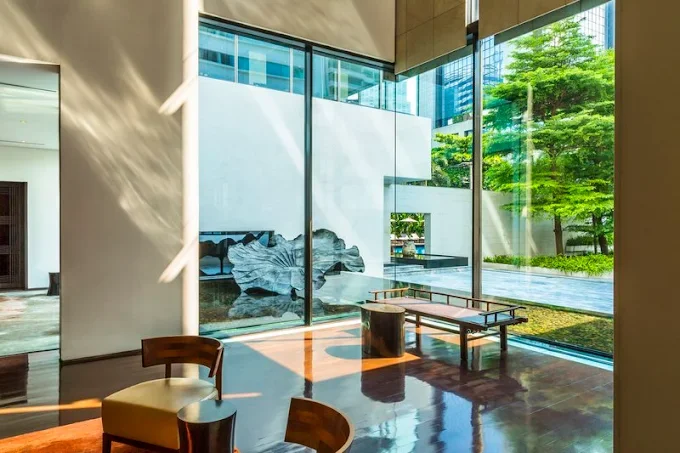
COMO Metropolitan Bangkok is defined by restraint and clarity. The design is calm and contemporary, favouring clean lines, muted tones, and natural light. Interiors avoid visual noise, allowing proportion, texture, and negative space to shape the experience. Rooms feel composed and quietly luxurious, prioritising comfort, privacy, and ease over overt design statements.
Set in Sathorn, the hotel sits slightly removed from Bangkok’s busiest districts while remaining well connected. The neighbourhood is marked by embassies, low rise residences, and broad streets that feel calmer than Sukhumvit or Silom. Lumpini Park is within walking distance, offering rare access to green space alongside a mix of destination dining and local favourites.
COMO Metropolitan appeals to travellers who value design discipline, wellness minded hospitality, and a sense of calm without sacrificing location.
Capella Bangkok
Average nightly rate: USD 550 to 800
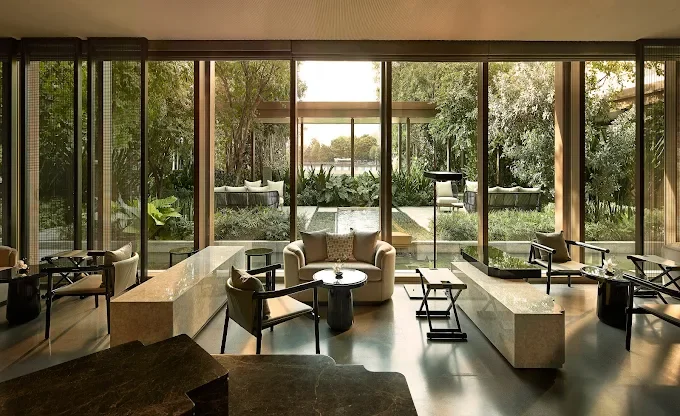
Capella Bangkok is defined by restraint. The design avoids spectacle, instead focusing on tactile materials, soft palettes, and seamless indoor and outdoor flow. River facing rooms feel private and serene, with terraces that frame the Chao Phraya as a moving landscape rather than a tourist attraction. Luxury here is quiet and deliberate, revealing itself through detail rather than scale.
The surrounding neighbourhood is largely residential, with working piers and long standing river communities nearby. This gives the hotel a grounded, authentic setting that contrasts with more theatrical riverside developments. Capella suits travellers seeking refinement, privacy, and a slower rhythm.
The Standard Bangkok Mahanakhon
Average nightly rate: USD 240 to 350
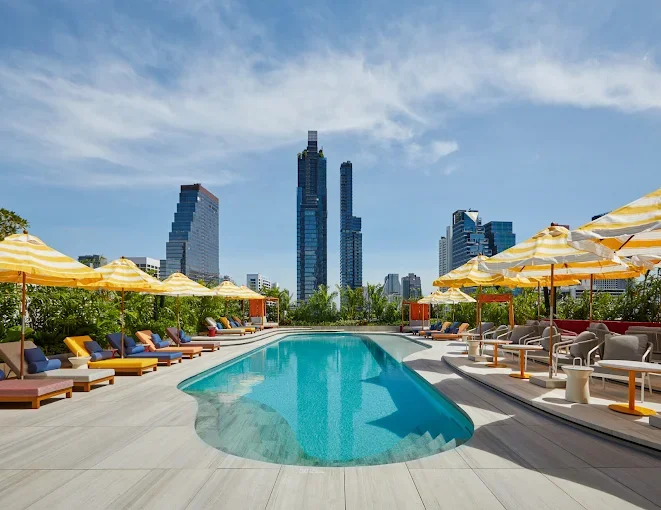
Housed within one of Bangkok’s most recognisable towers, The Standard brings a contemporary and playful design language to a serious architectural setting. Interiors use bold colours, modern furniture, and layered textures, while remaining cohesive and functional. The hotel feels social and culturally attuned rather than purely decorative.
Silom is one of Bangkok’s most connected districts, linking business hubs, local dining streets, Chinatown, and the river. Staying here places you in the middle of the city’s daily flow, making it ideal for travellers who want energy, accessibility, and a distinctly modern Bangkok experience.
Neighbourhood & Adaptive-Reuse Design Hotels
The Mustang Blu
Average nightly rate: USD 160 to 230
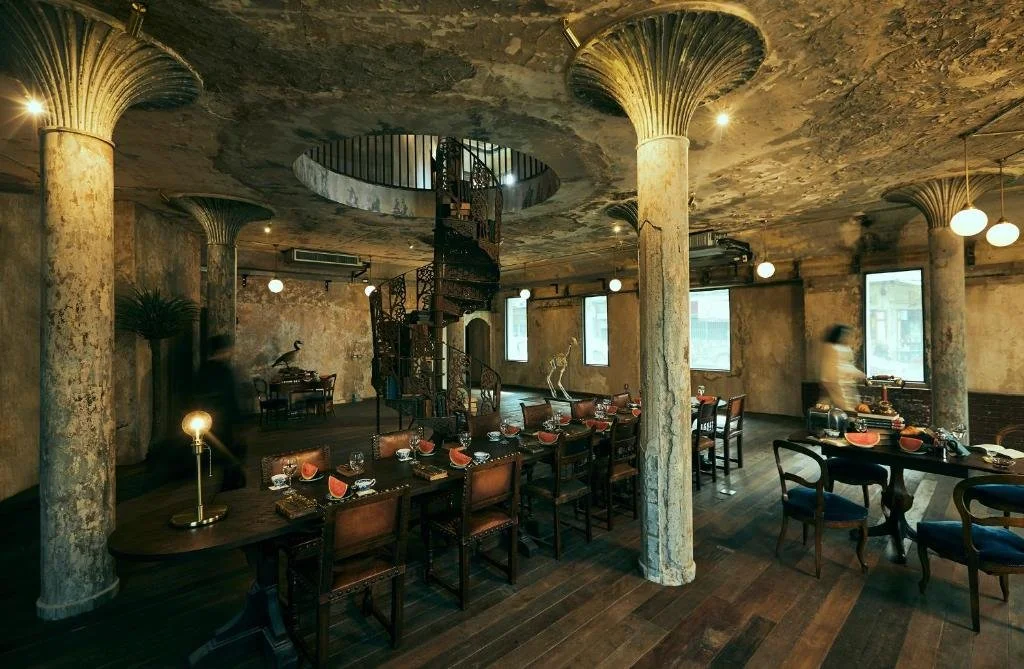
The Mustang Blu is intentionally dramatic. Set in a former bank, the hotel leans into patina, shadow, and contrast. Exposed walls, vintage furniture, and theatrical lighting give each room a cinematic quality. This is not polished luxury. It is design as storytelling, where imperfections are part of the appeal.
Chinatown surrounds the hotel in every sense. Gold shops, street food stalls, temples, and constant movement define the streets outside. Staying here means stepping directly into one of Bangkok’s most visually and culturally intense neighbourhoods, where the city feels alive at all hours.
The Craftsman Bangkok
Average nightly rate: USD 120 to 170
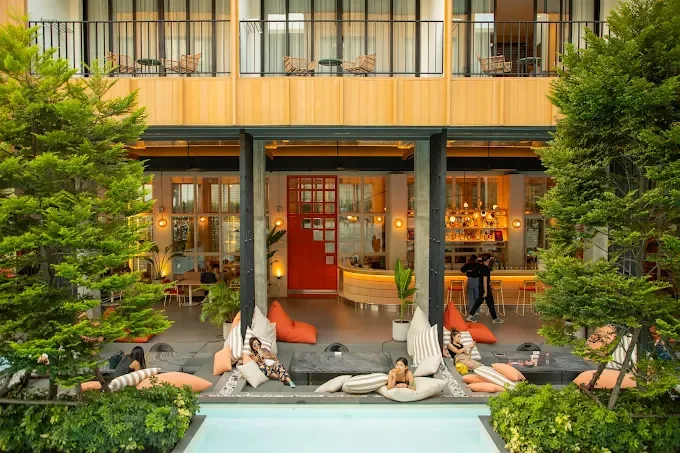
The Craftsman is calm by design. Drawing on mid century modern influences, the hotel uses clean lines, warm materials, and subtle detailing to create spaces that feel practical and inviting rather than performative. Rooms are comfortable, quietly stylish, and well suited to travellers who value livability.
Ari is one of Bangkok’s most appealing residential neighbourhoods. Known for its cafés, bakeries, and relaxed pace, the area feels local and walkable. It is a favourite among repeat visitors who want to experience Bangkok as a place to live, not just visit.
Hotel Once Bangkok
Average nightly rate: USD 130 to 180
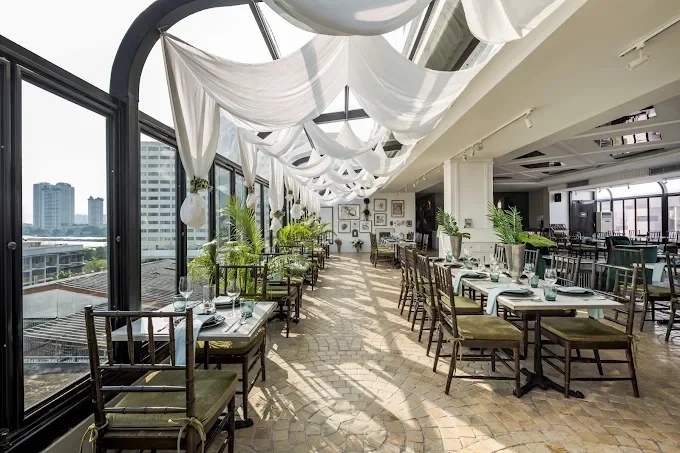
Hotel Once blends industrial loft aesthetics with boutique comfort. High ceilings, concrete finishes, and metal accents give the rooms a sense of space, softened by warm lighting and simple furnishings. The overall feel is relaxed and functional, with more room to breathe than many boutique hotels.
Charoenkrung is Bangkok’s original commercial road, now re emerging as a creative corridor. Historic warehouses, galleries, cafés, and riverside spaces give the area depth and texture, rewarding slow exploration.
Old Capital Bike Inn
Average nightly rate: USD 110 to 160
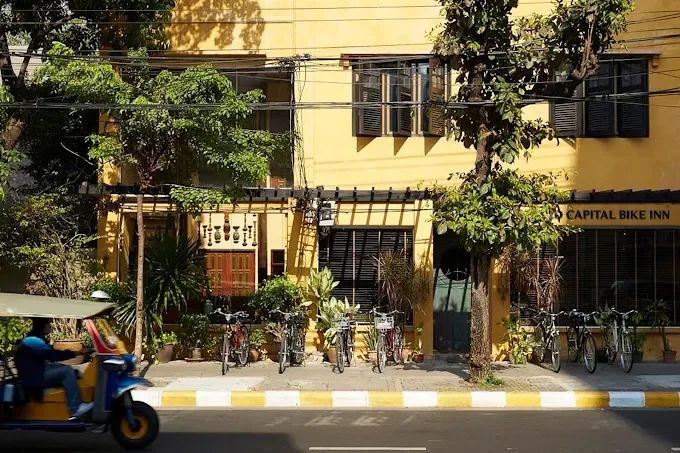
Old Capital Bike Inn feels handcrafted in the best sense. Interiors combine Thai heritage references with custom furniture and thoughtful detailing, creating spaces that feel warm and individual. Hospitality here is personal and unforced, reinforcing the sense that you are staying somewhere carefully cared for.
The Old Town location places guests near temples, civic buildings, and historic streets. Days are rich with cultural landmarks, while evenings are quieter and more reflective.
ASAI Bangkok Chinatown
Average nightly rate: USD 90 to 140
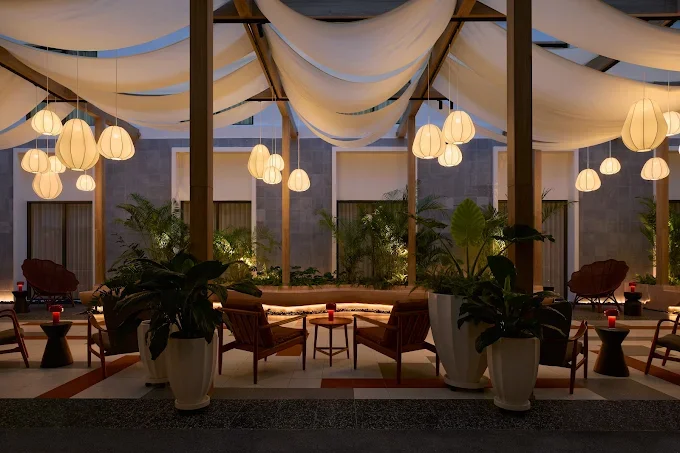
ASAI Bangkok Chinatown focuses on efficiency and connection. Rooms are compact but intelligently designed, allowing more emphasis on communal spaces and street level interaction. The aesthetic is modern and clean, letting the neighbourhood itself provide the visual richness.
Situated at the edge of Chinatown’s busiest streets, the hotel places guests steps away from some of the city’s best food and markets. The constant movement outside becomes part of the stay.
1905 Heritage Corner
Average nightly rate: USD 100 to 150
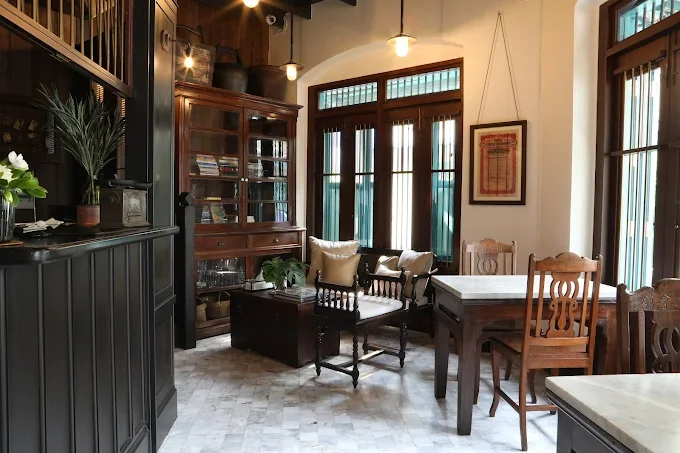
1905 Heritage Corner is defined by preservation rather than reinvention. The historic building is left largely intact, with original materials and proportions guiding the experience. Design interventions are minimal, allowing the structure’s age and character to take centre stage.
Talad Noi is one of Bangkok’s most atmospheric micro neighbourhoods. Narrow streets, old workshops, riverside views, and Chinese Thai heritage create a setting that feels intimate, layered, and quietly removed from the city’s main thoroughfares.
